

7 reasons to explore UAE’s Unesco-listed Wadi Wurayah this season
Waterfalls, wildlife and ancient heritage in one protected reserve
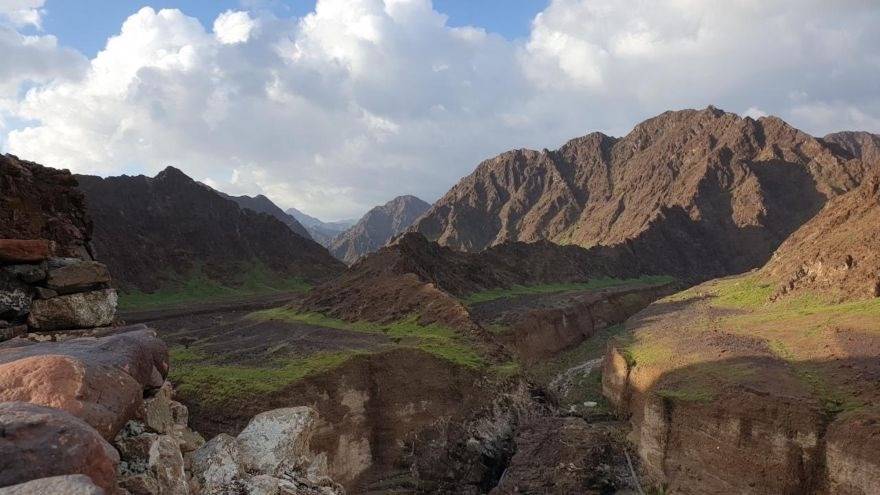
DUBAI – Nature lovers and hikers have another reason to head to Fujairah after Wadi Wurayah secured a place on the Unesco World Heritage List.
Located about 45km from Fujairah city, the protected reserve spans approximately 220 square kilometres of the Hajar Mountains and is one of the UAE's most remarkable natural landscapes. After remaining closed to the public for several years, the site reopened earlier this year through controlled group visits, with guided hiking tours returning from early to mid-October.
Asilah Abdullah Al Mualla, Director-General of the Fujairah Environment Authority, has highlighted the places and experiences visitors should not miss while exploring the reserve, from its famous waterfall to hidden archaeological treasures and extraordinary wildlife.
The iconic waterfall
The reserve's signature attraction is its spectacular waterfall, which Asilah describes as one of Wadi Wurayah's most memorable sights.
She says the best time to experience it is early in the morning, when the mountains are quiet and the first light reaches the canyon. The flowing freshwater, surrounded by rugged cliffs, offers a rare glimpse of a thriving aquatic ecosystem in an otherwise arid landscape.

According to her, the waterfall perfectly reflects the essence of Wadi Wurayah, where water, geology, wildlife and resilience come together in a single location.
Freshwater pools
The natural freshwater pools surrounding the waterfall are equally impressive. Fed by mountain springs, they support a rich ecosystem and create one of the reserve's most scenic landscapes.
The pools highlight the critical role of water in sustaining life throughout the protected area and have become one of the reserve's defining natural features.
Dramatic mountain landscapes
Beyond the waterfall, visitors can explore spring-fed streams, deep mountain canyons and towering rock formations that define the Hajar Mountains.

Natural viewpoints across the reserve offer sweeping panoramas of rugged valleys and cliffs, showcasing landscapes that have been shaped over thousands of years.
Around 70 ancient archaeological sites
Wadi Wurayah is not only a biodiversity hotspot but also a living cultural landscape. Archaeological surveys have identified around 70 sites within the protected area.
These include traces of ancient settlements, burial sites and rock inscriptions that reveal the close relationship between people, water and the mountains over centuries.
During authorised guided visits, these archaeological remains provide visitors with insights into how earlier communities adapted to life in one of the region's most challenging environments.
More than 1,000 documented species
Scientific research has revealed an extraordinary level of biodiversity hidden within the mountainous reserve.
Researchers have documented approximately 1,099 species, including 216 plant species, making Wadi Wurayah one of the UAE's richest natural habitats.
Scientists have also identified 55 invertebrate species previously unknown to science, underlining the reserve's global ecological importance.
Rare wildlife discoveries
The reserve has produced several remarkable scientific discoveries over the years.
Researchers recorded a dragonfly in the UAE that had previously been considered extinct, while studies also documented the indigenous wadi fish using its specially adapted body to climb sections of the main waterfall.
These discoveries demonstrate how wildlife has evolved unique adaptations to survive in Wadi Wurayah's demanding mountain environment.
Guided hiking experience
Access to Wadi Wurayah is carefully managed to protect its fragile ecosystem. Visitors can only enter through organised tours operated by Fujairah Holidays during the hiking season, which runs from early to mid-October.
Advance registration is required, with tour packages starting from Dh300 per person.
The guided experience allows visitors to discover the reserve's natural beauty, archaeological heritage and unique wildlife while ensuring the site's long-term conservation through responsible tourism and controlled access.